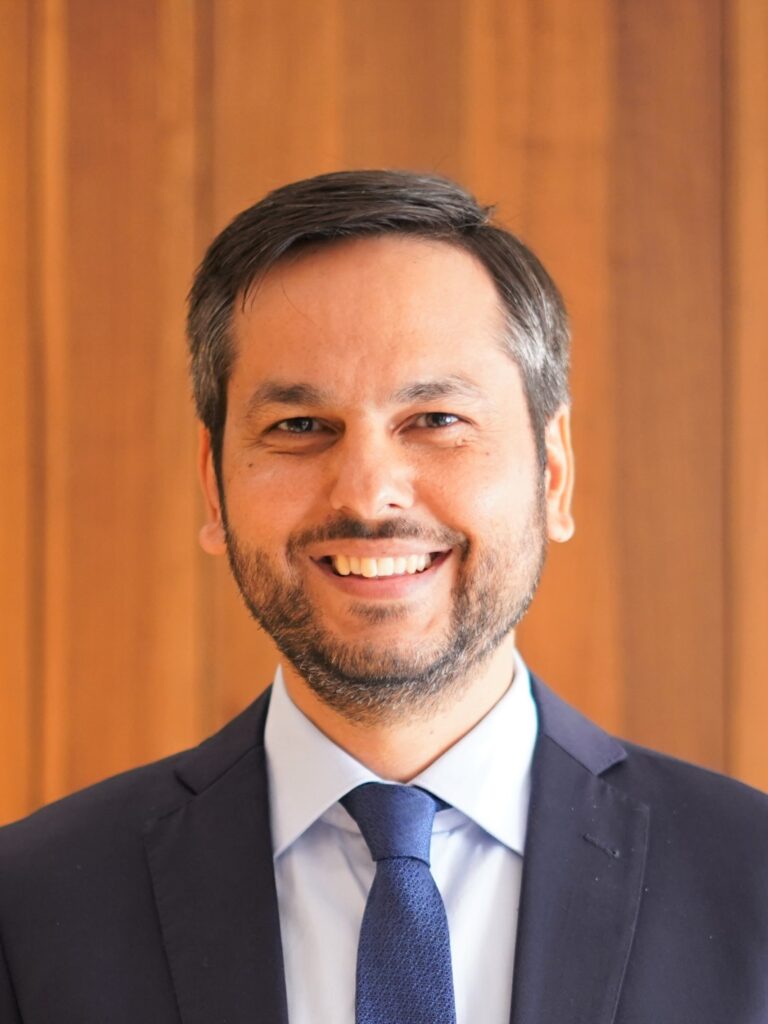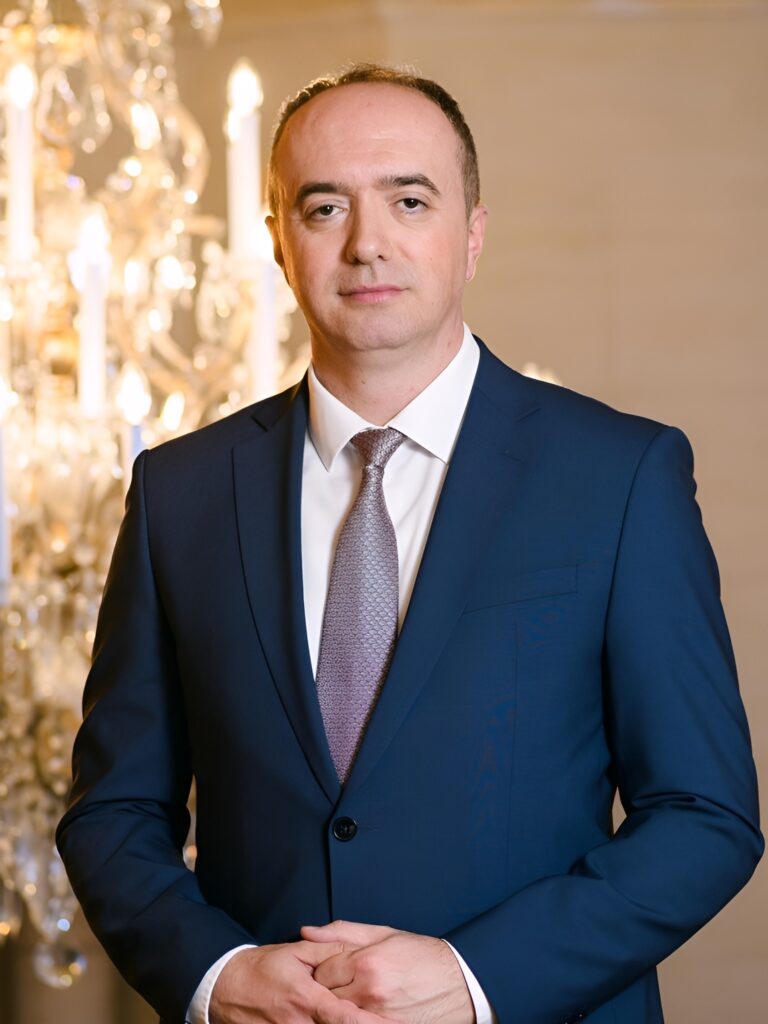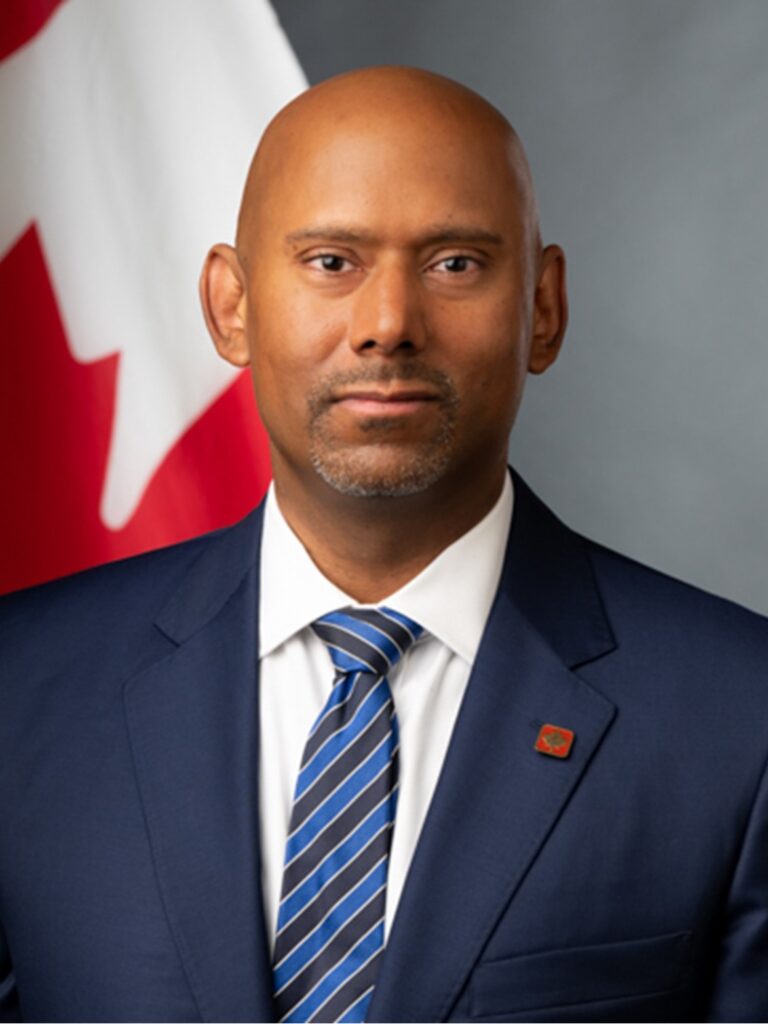
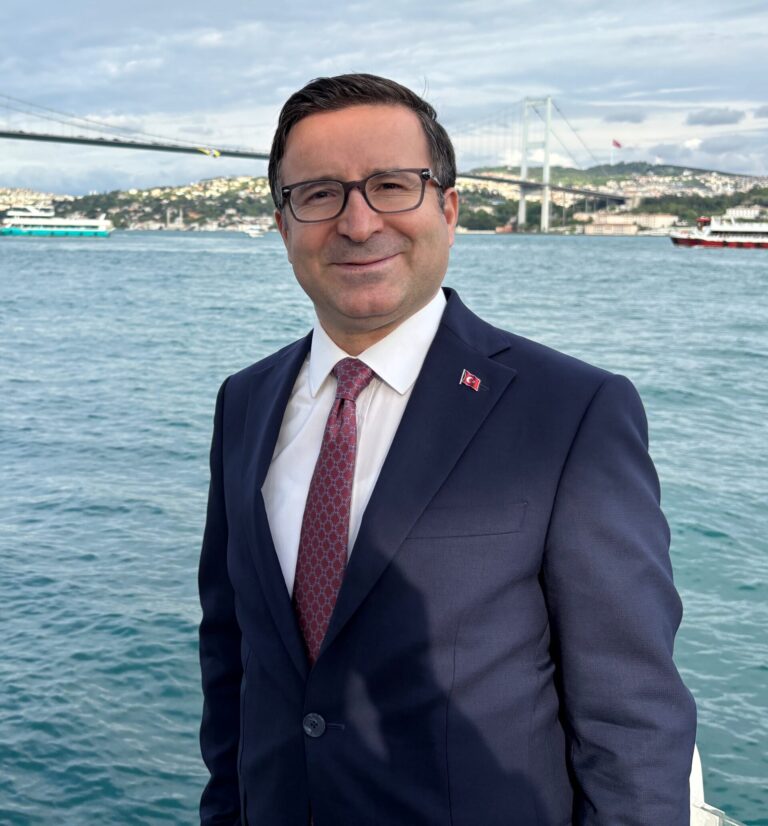
Mehmet Özkan is Professor of International Relations at the Joint War Institute at Turkish National Defence University in Istanbul and Executive Board Member of Turkish Maarif Foundation. He previously taught at the Turkish National Police Academy in Ankara; Pontifical Xavierian University in Bogota, Colombia; and International University of Sarajevo in Bosnia & Herzegovina. Dr. Özkan has extensive experience in academia, think-tanks, and government, where he worked as Executive Director of Maarif Foundation USA in New York (2018-2021) and founding Regional Director for Turkish Cooperation and Coordination Agency (TIKA) in Colombia (2015-2018) and Director of International Center for Terrorism and Transnational Crime (UTSAM) in Turkey (2014-2015). He held fellowship positions at SETA Foundation in Ankara; the Institute for Defence and Security Analysis (IDSA) in New Delhi, India; the Center for Global Policy in Washington, DC, USA; and Cairo University in Egypt.
He completed his Ph.D at Sevilla University (Spain), a Master’s from Linköping University (Sweden) and the University of Johannesburg (South Africa), and a BA from Istanbul University, all in International Relations. He is the author of several books, including The Non-Western World: Foreign Policy Horizons in India, South Africa, and Türkiye (in Turkish) (2025); Coup Resistance: Why Do People Resist Military Coups? (In Turkish) (2025) and many more. He also published many articles in leading journals such as The Journal of Modern African Studies, Journal of International Development, Journal of Eastern African Studies, and Journal of Muslim Minority Affairs as well. He wrote for Foreign Policy, Middle East Eye, Daily Sabah, AA Analiz, and Kriter as well as contributed commentaries to, among many others, CNN en Español, NTN24, Russia Today, France24, CNN Turk, and Al-Jazeera Arabic. His research covers religion and politics, regional affairs, South–South relations, radicalization, development, emerging powers, and Turkish foreign and domestic policy. He speaks Turkish, English, Spanish, and some Arabic.