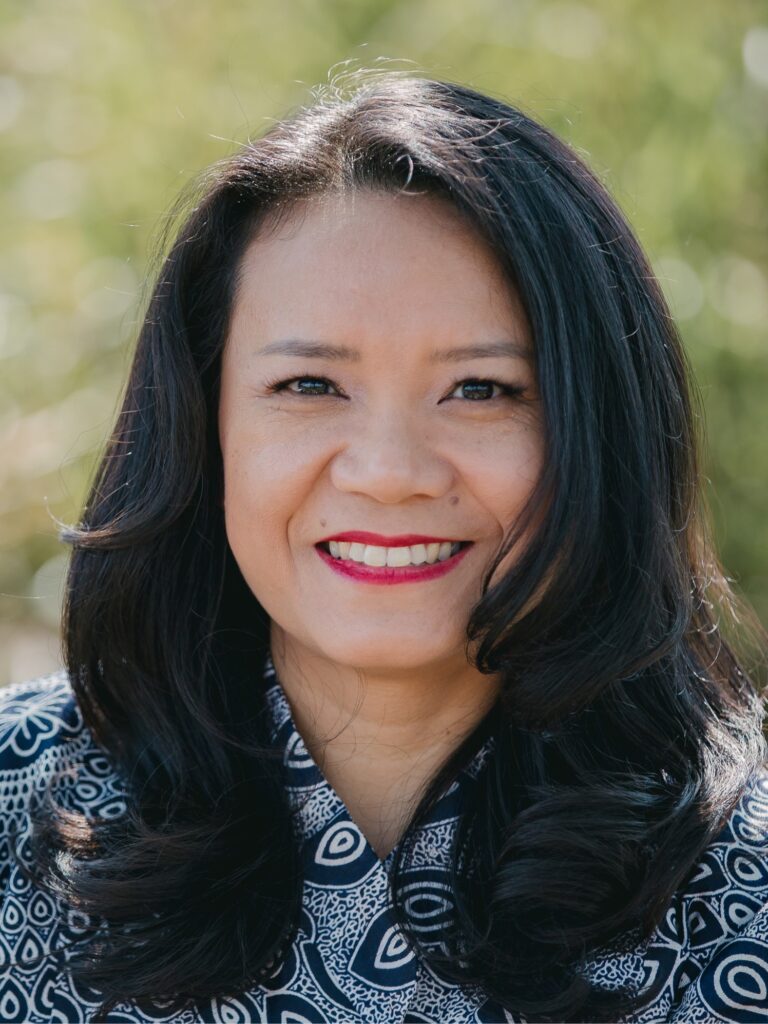
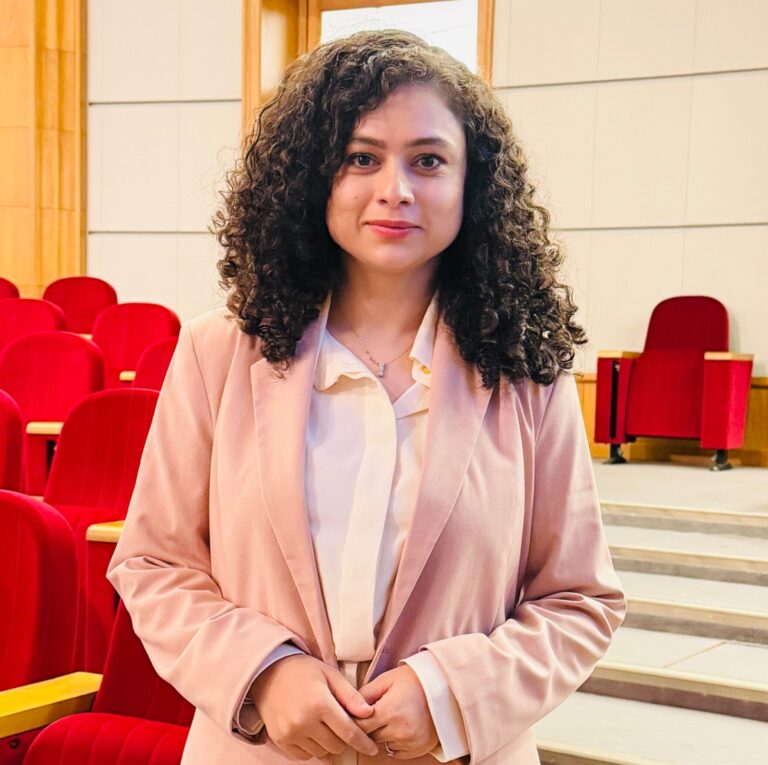
Dr. Aamna Khan is an International Relations scholar specialising in China’s foreign policy, Gulf geopolitics, regional security, conflict mediation, strategic narratives, and the evolving structure of global governance in an increasingly multipolar world. She holds a PhD in International Relations from Jilin University, China, completed under the Chinese Government Scholarship. Her doctoral research examined the role of the Shanghai Cooperation Organisation in counterterrorism and regional security across Central and South Asia. Her broader academic interests include China–Middle East relations, regional connectivity, Eurasian institutions, academic diplomacy, knowledge production, and emerging non-Western approaches to international order. She currently serves as a Non-Resident Research Fellow at London Dialogue in the United Kingdom. In 2025, she was selected for the prestigious InteRussia Research Fellowship at MGIMO University in Moscow, where she studied the SCO as a platform for alternative narratives, knowledge cooperation, and academic diplomacy within a transforming international system.
Dr. Khan has also worked as a Research Consultant with the United States Institute of Peace, contributing to strategic communication and policy research for Pakistan’s National Counter Terrorism Authority. Earlier, she served as a Research Intern at the Center for Research and Security Studies, producing analytical briefs on China, Afghanistan, and regional security. Her policy analyses have appeared in prominent international platforms, including The Diplomat, CGTN, Modern Diplomacy, the Russian International Affairs Council, and Asian Echoes. She has presented her research at conferences across Asia, Europe, and the Middle East, focusing on China’s expanding diplomatic role in the Gulf, regional connectivity, and emerging multipolarity. She also contributes to academic publishing as Editor-in-Chief of the Himalayan Studies Journal, Guest Editor of The Beacon Journal, and an Advisory Board Member of PIGER. Through her scholarship and policy engagement, she promotes a more inclusive understanding of global politics grounded in perspectives from the Global South and Eurasia.